湖北美术学院创新学院筹建于2022年9月,位于湖北美术学院老校区(昙华林校区)——毗邻武汉市武昌区昙华林历史文化街区。是面向未来发展,以追求学术卓越和社会贡献度为目标,构建国际化、融合性、引领性的特色学院。创新学院致力于培养具有前瞻视野、探索精神、创新能力的高素质人才,以艺术设计赋能,推动社会可持续发展。
学院设有艺术与科技和数字媒体艺术两个本科专业,2025年智能交互设计专业获教育部审批通过,在校学生总数209人。学院现建有3个教研室,2个特色实验室(180平米),1间容纳230人的大型报告厅,2间机房(云平台)与智慧教室,1个校级研究生工作站,6个实习实训基地。教学空间总面积超过2900平方米。特设“PI工作室”制度,依托真实科研项目搭建学术与实践平台,实现交叉学科的政产学研用一体化组织,使学生有明确的研究方向。组建多模态创新中心,以前沿技术的新质生产力推动协同创新。培养具备多学科能力并能融会贯通的复合“π”型人才。
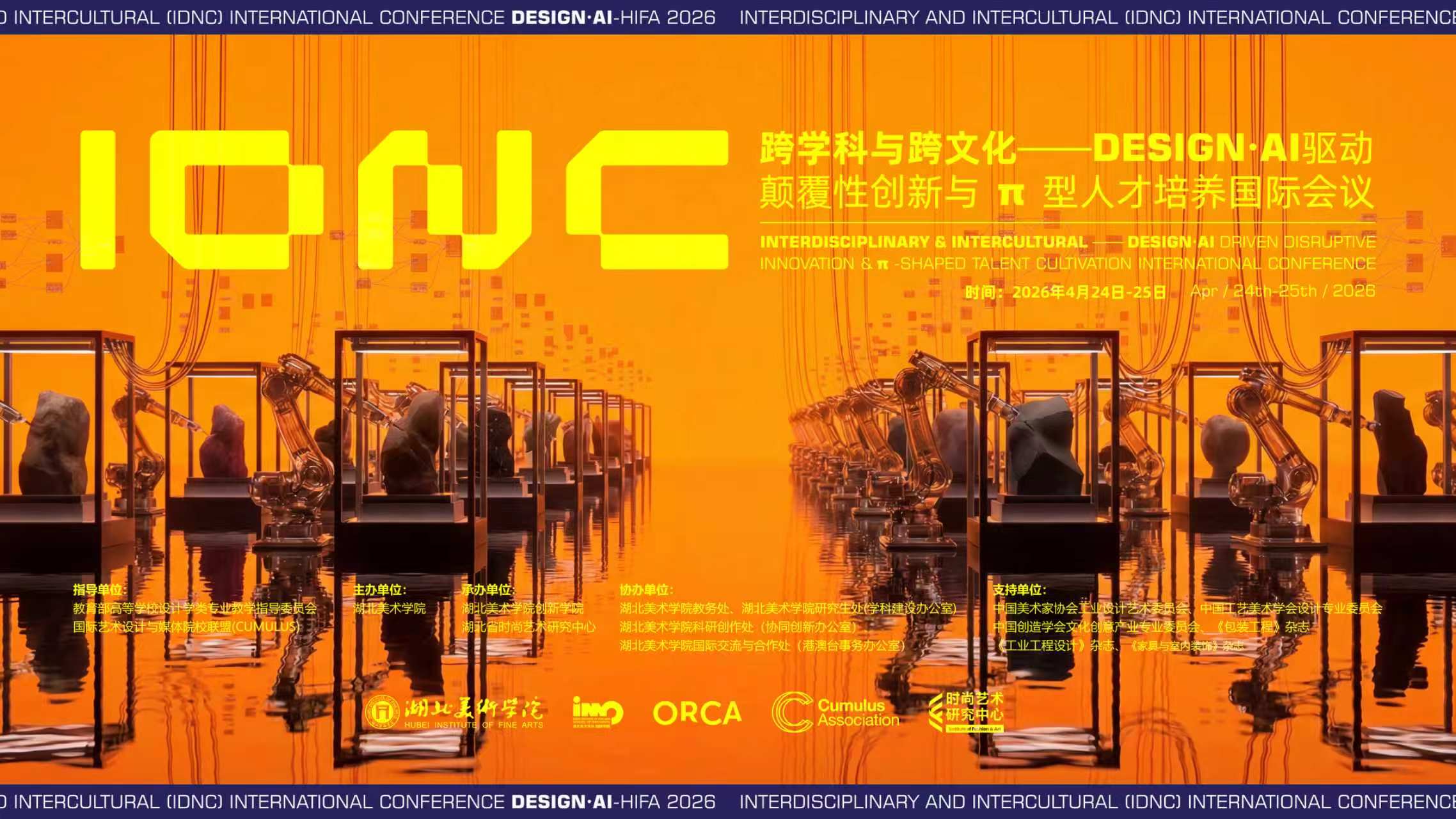
全方位的创新课程体系,包括AIGC数字技术辅助设计、创意编程与智能硬件、公共艺术设计与地域文化遗产等前沿性、交叉性、创新性课程。学院还启动了“学分制”教学改革,依托平行周、拓展周落地11门本硕贯通试点课程,汇聚海内外名师专家资源,实质性推动教学模式与选课机制创新。全院学生在学科竞赛和专业展赛取得显著成绩,截至2025年底,累计获得省级及以上奖项125项,国家级奖项43项。“知新讲堂”系列讲座吸引海内外理、工、文、艺、医多学科知名学者带来广阔学术视角。2025年“跨学科跨文化国际会议”(IDNC)吸引来自10个国家、30多名学者与会。与东京工业大学、武藏野美术大学、匈牙利佩奇大学等艺术设计类强校建立了长期合作关系。
学院师资力量雄厚,在职教师28名,来自清华大学、武汉大学、中国传媒大学、皇家艺术学院、罗德岛设计学院、拉夫堡大学等海内外知名院校,涵盖计算机科学与技术、新闻与传播学、设计学、艺术学等多学科背景。专任教师取得博士学位(含在读)人数达到40%。此外,有柔性引进专家2名。海内外特聘教授 3名、兼职教授4名。海外高层次讲学人才15名、行业导师 2名、课程导师超10名。
展望未来,创新学院将继续深化教学改革,优化师资结构,提升教学与科研质量,加强与国内外知名高校和企业的交流合作,推动交叉学科建设与学术能力发展,培养多学科交叉视野的、掌握创新思维、创新方法和创新组织能力的专业人才,为社会可持续发展贡献力量。
(上述数据截止到2025年12月)
The School of Innovation was established in 2022 September, located in the campus of Hubei Institute of Fine Art, within Tanhualin Historic and Cultural District, Wuhan City, Hubei Province. As a forward-looking institution, the school is committed to academic excellence and societal impact, aiming to build an international, interdisciplinary, and pioneering college that integrates innovation with cultural heritage. It focuses on nurturing high-caliber talents with visionary perspectives, exploratory spirit, and creative capabilities, leveraging art and design to empower sustainable social development.
The School of Innovation now offers two undergraduate programs with one more program coming soon, the first program is Art and Science, and the second program is Digital Media Art, with the Intelligent Interaction Design program approved by China’s Ministry of Education in 2025. It houses three Teaching and Research Sections, two specialized laboratories (180 m⟡), two cloud-enabled computer labs, smart classrooms, 1 large lecture hall accommodating 230 people, a university-level postgraduate workstation, and six off-campus practice bases. The total teaching area exceeds 2,900 square meters. The school has pioneered a "PI Studio" research framework, where students engage in real-world interdisciplinary projects spanning "policy-industry-education-research-application" domains. Establish a Multimodal Innovation Center to drive collaborative innovation through advanced technological productive forces. This structure fosters the development of versatile “π-shaped” talents equipped with cross-disciplinary expertise.
The curriculum integrates cutting-edge and interdisciplinary courses such as AIGC Digital Technology-Assisted Design, Creative Programming and Smart Hardware, and Public Art Design with Regional Cultural Heritage. The School has also initiated the “credit system” teaching reform, implementing 11 pilot courses that integrate undergraduate and graduate studies during parallel weeks and extension weeks. By leveraging resources from renowned domestic and international experts, it has substantially advanced innovation in teaching models and course selection mechanisms. By the end of 2024, students had secured 125 provincial-level and above awards, including 43 national prizes, in academic competitions and exhibitions. The “Zhixin Lecture” Series invites globally renowned scholars from STEM, humanities, arts, and medical fields to share interdisciplinary insights. In 2025, the school hosted the Interdisciplinary and Cross-Cultural International Conference (IDNC), attracting over 30 scholars from 10 countries. It maintains partnerships with leading institutions like Tokyo Institute of Technology, Musashino Art University(Japan), and University of Pécs(Hungary).
The school boasts 24 full-time faculty members from prestigious institutions such as Tsinghua University, Tongji University, Royal College of Art, RISD, and Loughborough University, spanning disciplines like computer science, communication, design, and fine arts. Over 40% of faculty hold or are pursuing doctoral degrees, supported by 2 flexibly appointed experts, 3 international chair professors, 4 adjunct professors, 15 overseas visiting lecturers, 2 industry mentors, and 10+ course instructors.
Moving forward, the School of Innovation will deepen educational reforms, optimize faculty structures, and enhance teaching-research synergy. By strengthening collaborations with global universities and industries, it aims to advance interdisciplinary innovation, cultivate talents with multi-domain expertise and organizational acumen, and contribute to sustainable societal progress.
(The above data is as of December 2025.)